
Understanding Gambling Behavior
Gambling can create strong emotional involvement. Wins may bring excitement, while losses can trigger frustration, urgency, or the desire to continue. Because of this, it is important to stay aware of personal habits and the way gambling affects thoughts, decisions, and reactions over time.
For many users, gambling begins as casual entertainment. Problems usually do not start all at once. They often develop gradually, when sessions become longer, stakes become higher, or gambling begins to influence mood and daily routine. That is why self-awareness is one of the most important parts of responsible gambling.
A person who understands their own behavior is in a much stronger position to notice when entertainment starts turning into unhealthy involvement. Paying attention to patterns is often the first step toward staying in control.
Setting Personal Limits
One of the most effective ways to gamble responsibly is to set personal limits before playing. This includes both financial limits and time limits. Decisions made before a session are usually more rational than decisions made in the middle of an emotional moment.
A spending limit helps define what amount can be used safely for entertainment. That amount should never include money needed for rent, bills, food, debt, or other important responsibilities. Once the budget is reached, the session should stop.
Time limits matter just as much. A player who starts without paying attention to time can easily spend much longer gambling than intended. Long sessions often reduce concentration and make it harder to notice when decisions become impulsive.
Useful limit-setting habits include:
- deciding on a budget before starting
- choosing a maximum session length
- stopping when the limit is reached
- avoiding new deposits after losses
- not increasing the budget because of emotions
These limits are simple, but they create structure and make gambling easier to control.
Recognizing Risky Patterns
Risky gambling behavior often appears through repeated patterns rather than one isolated event. Recognizing those patterns early makes it easier to respond before the situation becomes more serious.
Some of the most common warning signs include:
- increasing stake sizes too quickly
- trying to win back losses immediately
- gambling longer than originally planned
- losing track of spending
- feeling unable to stop after a losing session
A player should also pay attention to less obvious changes, such as irritability after losses, repeated thoughts about gambling, or neglecting responsibilities because of gaming activity.
These signals matter because risky behavior rarely improves on its own. If gambling starts feeling harder to control, that is usually the point where a person should pause and reassess their habits.
Managing Your Gaming Activity
Managing gambling activity means taking active steps to keep play under control rather than relying only on self-confidence in the moment. Good intentions are helpful, but practical habits usually matter more.
A responsible routine often includes regular pauses, careful tracking of spending, and a willingness to stop when gambling stops feeling enjoyable. Users should also avoid making quick decisions during emotional highs or lows.
Some useful habits include:
- taking breaks during longer sessions
- checking spending during play
- avoiding gambling when tired or distracted
- not continuing just because of one recent win or loss
- ending the session when it stops feeling controlled
Tracking activity can also help. Some users benefit from noting how much time they spend gambling and how much they use in one session. This makes it easier to notice when habits start to shift.
Emotional Awareness
Emotions play a major role in gambling decisions. Excitement, frustration, stress, anger, and overconfidence can all affect judgment. A player who is calm is more likely to follow limits. A player who is emotionally charged is more likely to ignore them. This is especially important after losses. Some users feel pressure to recover money quickly and start making decisions based on urgency rather than logic. Others may become overconfident after wins and continue longer than planned.
Being emotionally aware means noticing your state before and during play. If gambling is being used as a reaction to stress, boredom, anger, or personal pressure, it may be better to stop and return later, or not at all. A useful question to ask is simple: am I making this decision calmly, or because I feel pushed by emotion? If the answer is emotional, it is usually a sign to pause.
Age Restrictions
Gambling should only be used by adults who are legally allowed to participate according to the laws of their country or region. Access must be restricted to users who have reached the legal age required under applicable legislation. Minors should never take part in gambling activities. Age restrictions exist to protect users and to make sure gambling remains within the legal framework intended for adult participation.
Users are responsible for understanding whether online gambling is legal in their jurisdiction and whether they meet the required age conditions before using any gambling-related service.

Tools for Self-Control
Many gambling platforms provide self-control tools designed to help users manage activity more safely. These may include deposit limits, session reminders, cooldown periods, account restrictions, or self-exclusion options.
Such tools can be helpful, but they do not work automatically. Their effectiveness depends on whether the user applies them honestly and consistently. A limit is useful only if the player respects it. A reminder helps only if the player is willing to stop and review their behavior when it appears.
Some common self-control tools include:
- deposit limits
- session time reminders
- temporary breaks or cooldown periods
- loss limits
- self-exclusion options
These tools are not a substitute for responsibility, but they can make responsible behavior easier to maintain.
When Gambling Becomes a Problem
Gambling may be becoming a problem when it starts affecting finances, emotional well-being, relationships, work, or daily responsibilities. This usually happens when gambling stops functioning as entertainment and starts becoming a source of pressure or harm.
Some important warning signs include:
- repeated financial losses that create stress
- using money meant for essential needs
- feeling unable to stop
- hiding gambling activity from others
- continuing to gamble despite negative consequences
A person does not need to wait for a severe situation before taking action. If gambling feels harder to control than it used to be, that is already a valid reason to step back and take the issue seriously.
Seeking Help and Support
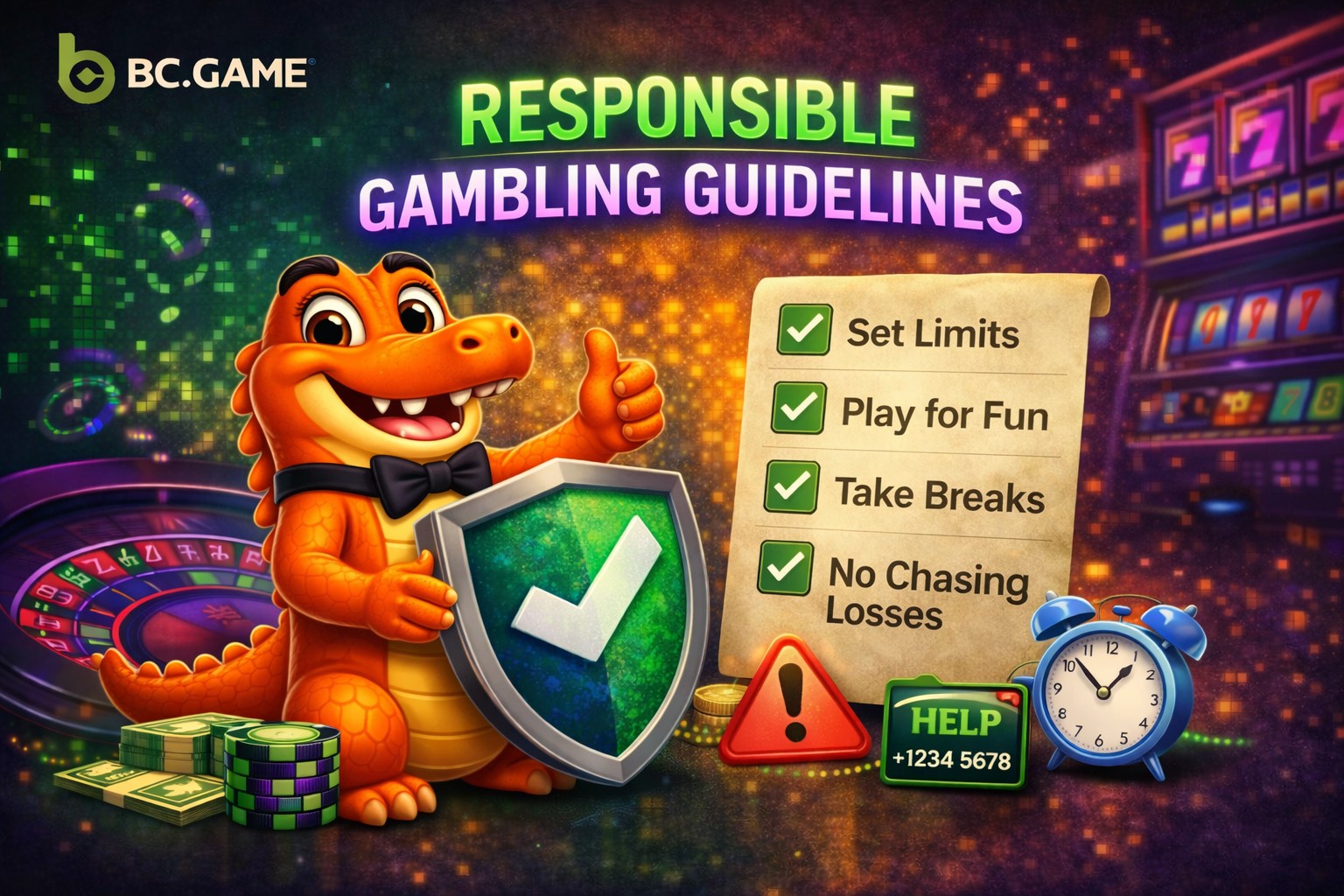
If gambling starts to feel difficult to manage, professional support may be necessary. Help can be sought through counseling services, mental health professionals, support organizations, or gambling-related assistance programs available in the user’s country.
Support is often more effective when it is sought early. There is no need to wait until the situation becomes extreme. Speaking to a trusted person, using stronger self-control tools, or contacting a professional service can all be important first steps.
The most important thing is not to ignore the issue. Asking for help is a responsible decision when gambling begins to create emotional, financial, or personal difficulties.
Responsible Use Reminder
Gambling should remain a form of entertainment, not a way to make money or solve financial problems. A responsible approach means keeping clear limits, staying aware of emotions, and recognizing when it is time to stop.
The healthiest gambling habits are usually the simplest: control spending, manage time, avoid impulsive decisions, and treat losses as a normal part of the activity. When gaming stays under control, it is far more likely to remain what it should be – leisure, not harm.